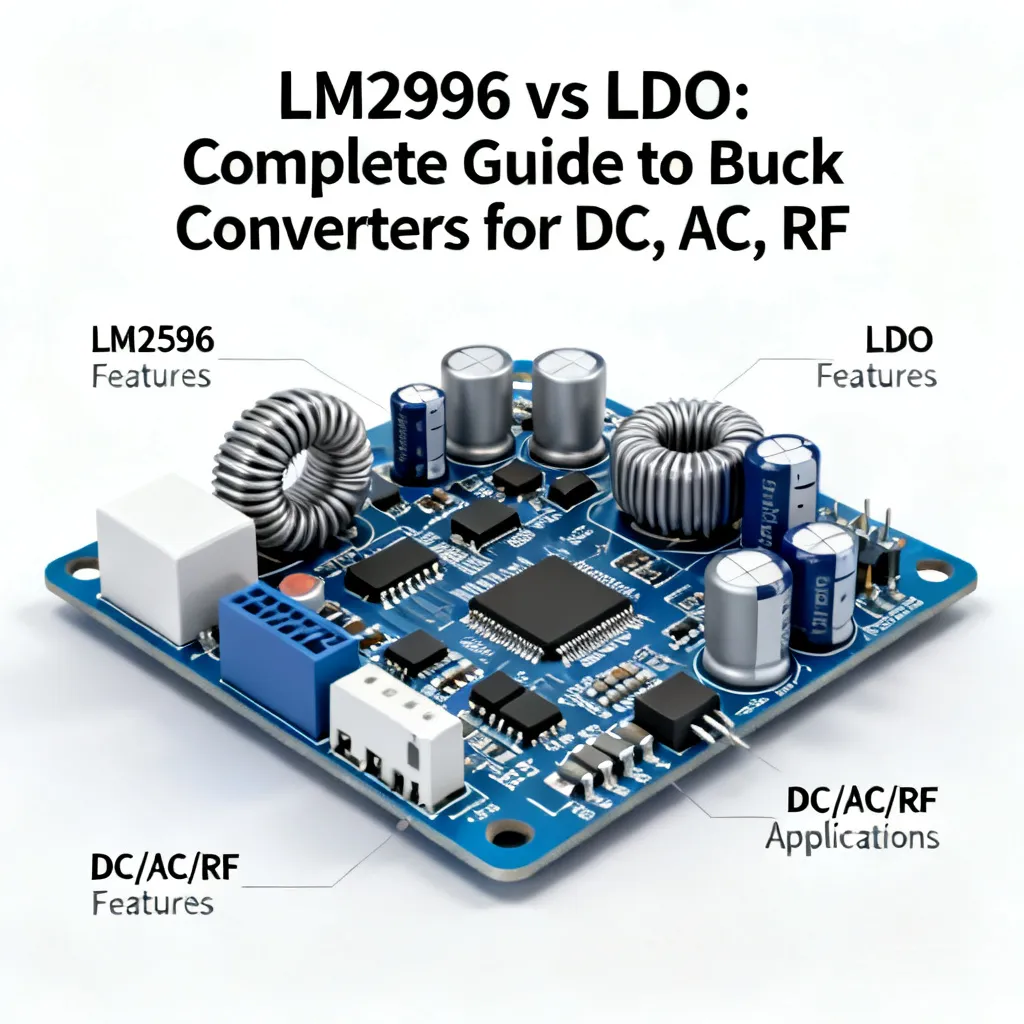
AI Accelerator Market Size & Share: 2026 Expert Analysis & Insights
Comprehensive guide to ai accelerator market size & share. Technical analysis, sourcing strategies, and expert recommendations for electronics professionals.
AI Accelerator Market Size & Share: 2026 Expert Analysis & Insights
Introduction
The rise of artificial intelligence (AI) has fundamentally transformed various sectors, amplifying the demand for AI accelerators and driving the growth of a robust market. As we approach 2026, the AI accelerator market is poised for significant expansion, with technological advancements and strategic investments paving the way for innovative solutions. This article analyzes the current market size, shares insights on upcoming trends, and provides expert predictions for the future of the AI accelerator industry.
Market Overview
Current Market Size and Growth Rate
As of 2023, the global AI accelerator market is valued at approximately $16 billion, with an impressive compound annual growth rate (CAGR) of 26.5% projected through 2026. The increasing adoption of AI across industries such as healthcare, automotive, finance, and retail is a primary driver of this rapid growth.
Market Segmentation
The AI accelerator market can be segmented based on type, application, and geography:
- Type: GPU, ASIC, FPGA, and others.
- Application: Natural Language Processing (NLP), computer vision, robotics, and data analytics.
- Geography: North America, Europe, Asia-Pacific, Latin America, and Middle East & Africa.
North America dominates the market due to the presence of major tech companies and significant investment in AI research. However, Asia-Pacific is expected to witness the highest growth rate, driven by government initiatives and increasing investments in AI technologies.
Technological Insights
Key Technologies Driving Growth
The AI accelerator market is characterized by several key technologies that are fueling its expansion:
- Graphics Processing Units (GPUs): Originally designed for rendering graphics, GPUs have evolved to effectively handle parallel processing tasks inherent in AI workloads.
- Application-Specific Integrated Circuits (ASICs): These custom chips are optimized for specific tasks, offering unparalleled efficiency for AI applications.
- Field-Programmable Gate Arrays (FPGAs): FPGAs provide flexibility and can be reconfigured to suit different AI algorithms, making them ideal for rapid prototyping.
Emerging Trends in AI Accelerators
Several trends are shaping the future of AI accelerators:
- Edge Computing: The shift towards edge computing allows for real-time data processing closer to the source, reducing latency and bandwidth use. AI accelerators are increasingly being integrated into edge devices.
- Integration of AI in IoT Devices: The convergence of AI and IoT is leading to smarter applications, such as predictive maintenance in industrial settings and enhanced consumer products.
- Quantum Computing: While still in its infancy, quantum computing holds the potential to revolutionize AI processing capabilities, enabling faster and more complex computations.
Future Predictions
Market Growth Projections
By 2026, the AI accelerator market is expected to exceed $50 billion, driven by widespread adoption across various sectors. The increasing need for real-time data processing and decision-making will further accelerate this growth.
Challenges and Risks
Despite the promising outlook, several challenges could hinder market growth:
- High Development Costs: Developing custom AI accelerators can be costly and resource-intensive, deterring smaller players from entering the market.
- Data Privacy Concerns: As AI applications grow, so do concerns about data privacy and security, which could impact consumer trust and regulatory compliance.
- Rapid Technological Changes: The fast-paced evolution of AI technologies necessitates continuous innovation and adaptation, posing risks for companies lagging in development.
Practical Implications
Strategies for Businesses
To capitalize on the growing AI accelerator market, businesses should consider the following strategies:
- Invest in R&D: Companies should prioritize research and development to innovate and create cutting-edge AI solutions tailored to specific industries.
- Collaborate with Tech Partners: Partnerships with technology providers can enhance capabilities and provide access to advanced AI accelerator technologies.
- Focus on Sustainability: As sustainability becomes more important, developing energy-efficient AI models and accelerators can provide a competitive edge.
Impact on Employment
The growth of the AI accelerator market will also impact employment patterns. While some jobs may become obsolete, new roles focused on AI development, management, and ethics are expected to emerge, necessitating a workforce skilled in AI technologies.
Conclusion
The AI accelerator market is on a trajectory of rapid growth, fueled by technological advancements and increased adoption across various sectors. Businesses that strategically invest in AI technologies and foster partnerships will be well-positioned to thrive in this dynamic landscape. As we approach 2026, staying informed about market trends, technological innovations, and emerging challenges will be vital for stakeholders in the AI accelerator ecosystem.
For reliable electronic components and expert sourcing support, visit NovaElec for comprehensive solutions.