2026's Ultimate DIY Electronic Repair Guide for Beginners
Comprehensive guide to diy electronic repair guide for beginners. Technical analysis, sourcing strategies, and expert recommendations for electronics professionals.
2026's Ultimate DIY Electronic Repair Guide for Beginners
Welcome to the world of DIY electronic repair! In 2026, as technology continues to evolve at a rapid pace, the ability to troubleshoot and fix electronic devices has become a valuable skill. This guide will provide beginners with the essential knowledge, tools, and techniques necessary to repair electronics at home.
Understanding Electronics Basics
What is Electronics?
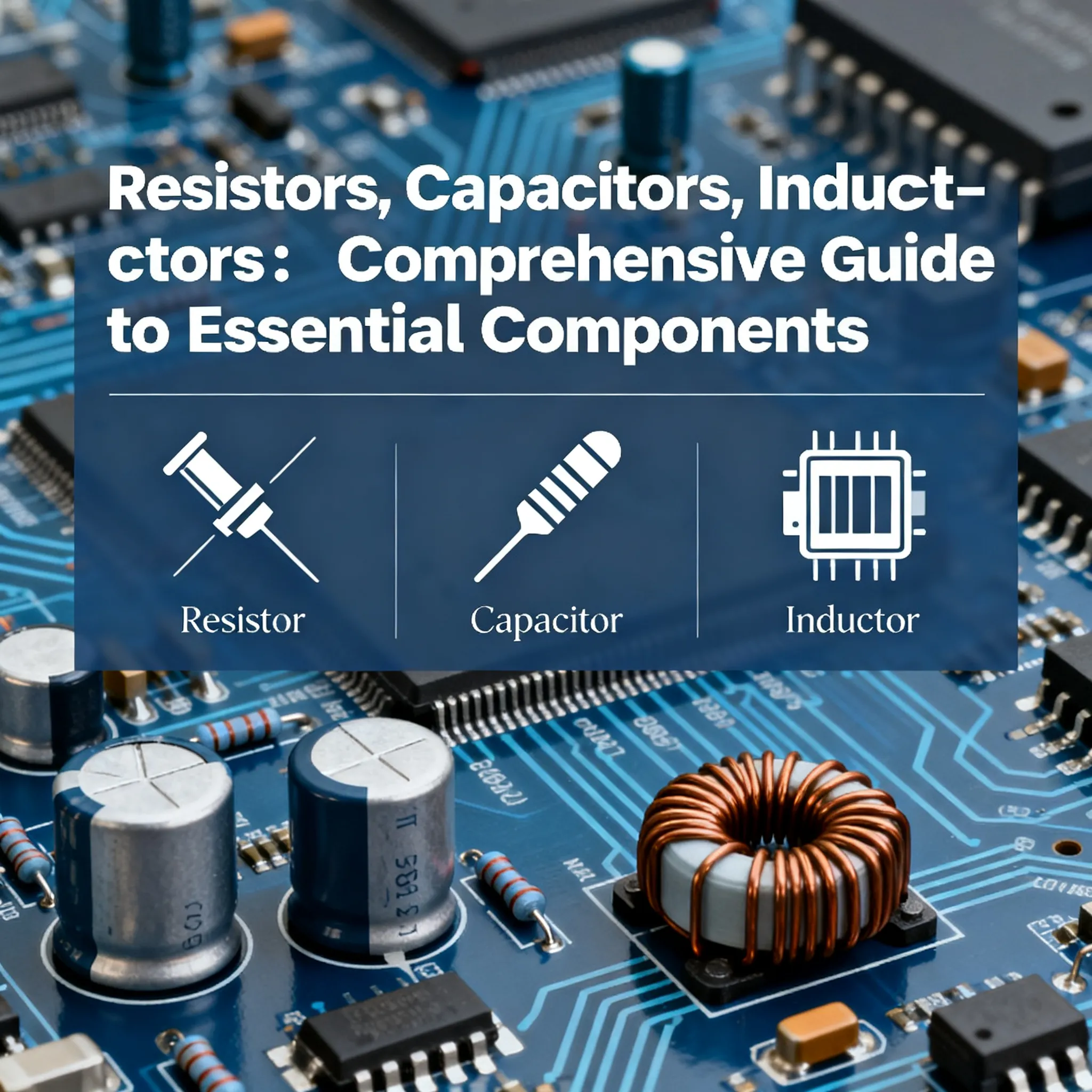
Electronics is the branch of science and technology that deals with the flow of electrons through conductors, semiconductors, and insulators. It includes the design and application of devices such as resistors, capacitors, transistors, and integrated circuits.
Common Electronic Components
- Resistors: Control current flow.
- Capacitors: Store and release electrical energy.
- Diodes: Allow current to flow in one direction.
- Transistors: Act as switches or amplifiers.
- Integrated Circuits (ICs): Miniaturized circuits that perform specific functions.
Essential Tools for DIY Electronic Repair
Before diving into repairs, it's crucial to equip yourself with the right tools. Here is a list of essential tools for any DIY electronics enthusiast:
1. Basic Hand Tools
- Screwdrivers: A set of Phillips and flathead screwdrivers.
- Pliers: Needle-nose pliers for grasping small components.
- Wire Cutters: For trimming wires and leads.
2. Soldering Equipment
- Soldering Iron: For connecting electronic components.
- Solder: A fusible metal alloy used to create a permanent bond.
- Soldering Flux: Helps prevent oxidation and improves soldering quality.
3. Testing Tools
- Digital Multimeter: Measures voltage, current, and resistance.
- Oscilloscope: Visualizes electrical signals.
- Component Tester: Tests individual components.
4. Safety Gear
- Safety Glasses: Protect your eyes from solder splashes.
- Anti-Static Wrist Strap: Prevents static discharge that can damage components.
- Ventilation Mask: Protects against fumes from soldering.
Common Electronic Repairs
Now that you have your tools, let’s take a look at some common repairs you can attempt at home.
1. Repairing Circuit Boards
When dealing with malfunctioning electronics, circuit board issues are often the culprit. Look for:
- Burnt components (look for discoloration or charring).
- Broken traces (use a multimeter to check continuity).
To repair broken traces, you can use copper wire or conductive paint to bridge the gaps.
2. Replacing Capacitors
Capacitors are prone to failure, especially in older devices. Symptoms include:
- Bulging or leaking capacitors.
- Devices not powering on or powering off unexpectedly.
Use a soldering iron to desolder the faulty capacitor and replace it with a new one of the same specifications.
3. Fixing Power Supply Issues
If your device won’t turn on, the power supply may be the issue. Check for:
- Loose connections.
- Damaged power cables.
- Burnt fuses.
Replace any damaged parts and ensure all connections are secure.
Learning Resources and Communities
As a beginner, you won’t be alone on this journey. Many resources are available to help you learn and connect with fellow DIY enthusiasts.
1. Online Courses and Tutorials
Websites like Coursera, Udemy, and Khan Academy offer courses tailored for beginners. YouTube also hosts countless tutorials on specific repair techniques.
2. Forums and Social Media Groups
Engage with communities on platforms like Reddit, Facebook, or specialized forums like All About Circuits. These platforms are excellent for asking questions, sharing experiences, and learning from others.
Practical Implications of DIY Electronic Repair
Embracing DIY electronic repair comes with numerous benefits:
1. Cost Savings
Learning to repair electronics can save you significant money. Instead of buying new devices, you can fix what you already own.
2. Environmental Impact
Repairing rather than discarding electronics reduces electronic waste and contributes to sustainability.
3. Skill Development
Gaining hands-on experience with electronics enhances your problem-solving skills and can even open up career opportunities in the electronics sector.
Future of DIY Electronic Repair
The future of DIY electronic repair looks promising. As technology continues to advance, new tools and resources will emerge, making repair more accessible to beginners.
1. Increased Availability of Repair Kits
Manufacturers are beginning to embrace the repair culture by offering repair kits for their products. This trend will continue to grow, allowing more individuals to tackle repairs confidently.
2. Community Repair Events
Repair cafes and community workshops are gaining traction, where individuals can learn to repair together, share tools, and foster a culture of sustainability.
3. Open Source Hardware
The open-source hardware movement is gaining momentum, providing schematics and designs for DIY electronics projects. This will empower individuals to create and repair their devices more easily.
Conclusion
DIY electronic repair is not just a trend; it is a valuable skill that empowers individuals to take control of their electronics. By understanding the basics, equipping yourself with the right tools, and engaging with the community, you can embark on a rewarding journey of repairing electronics. Whether you aim to save money, reduce waste, or simply learn a new skill, this guide serves as your stepping stone into the exciting world of DIY electronics.
For reliable electronic components and expert sourcing support, visit NovaElec for comprehensive solutions.