Ultimate Beginner's Guide to Embedded Systems Programming in 2026
Comprehensive guide to learn embedded systems programming (beginner's guide). Technical analysis, sourcing strategies, and expert recommendations for electronics professionals.
Ultimate Beginner's Guide to Embedded Systems Programming in 2026
Introduction to Embedded Systems
Embedded systems are specialized computing systems that perform dedicated functions within larger systems. They are a foundational element in modern electronics, powering everything from household appliances to automobiles and industrial machinery. As the world moves toward automation and connectivity, understanding embedded systems programming has never been more crucial for aspiring developers.
Market Overview of Embedded Systems in 2026
Current Trends
As of 2026, the embedded systems market is witnessing rapid growth, primarily driven by the Internet of Things (IoT), smart devices, and automotive technologies. According to market research, the global market is projected to reach $250 billion by 2027, with a CAGR of 8% from 2023.
Key trends include:
- IoT Integration: The proliferation of IoT devices has increased the demand for embedded systems that can handle data processing and communication.
- Artificial Intelligence: AI capabilities are increasingly being integrated into embedded systems, allowing for more intelligent decision-making processes.
- Edge Computing: With the need for real-time processing and reduced latency, embedded systems are moving toward edge computing solutions.
Essential Programming Languages for Embedded Systems
C and C++
C remains the dominant programming language for embedded systems due to its efficiency and control over system resources. C++ offers object-oriented features that can help manage larger code bases, making both languages essential for embedded developers.
Python and MicroPython
Python's popularity is growing in embedded programming, especially in educational contexts and prototyping, thanks to its simplicity. MicroPython allows Python to run on microcontrollers, making it an accessible option for beginners.
Rust
Rust is gaining traction for its safety features and memory management capabilities, which are crucial in embedded systems where reliability is paramount.
Key Tools and Platforms for Embedded Development
Development Boards
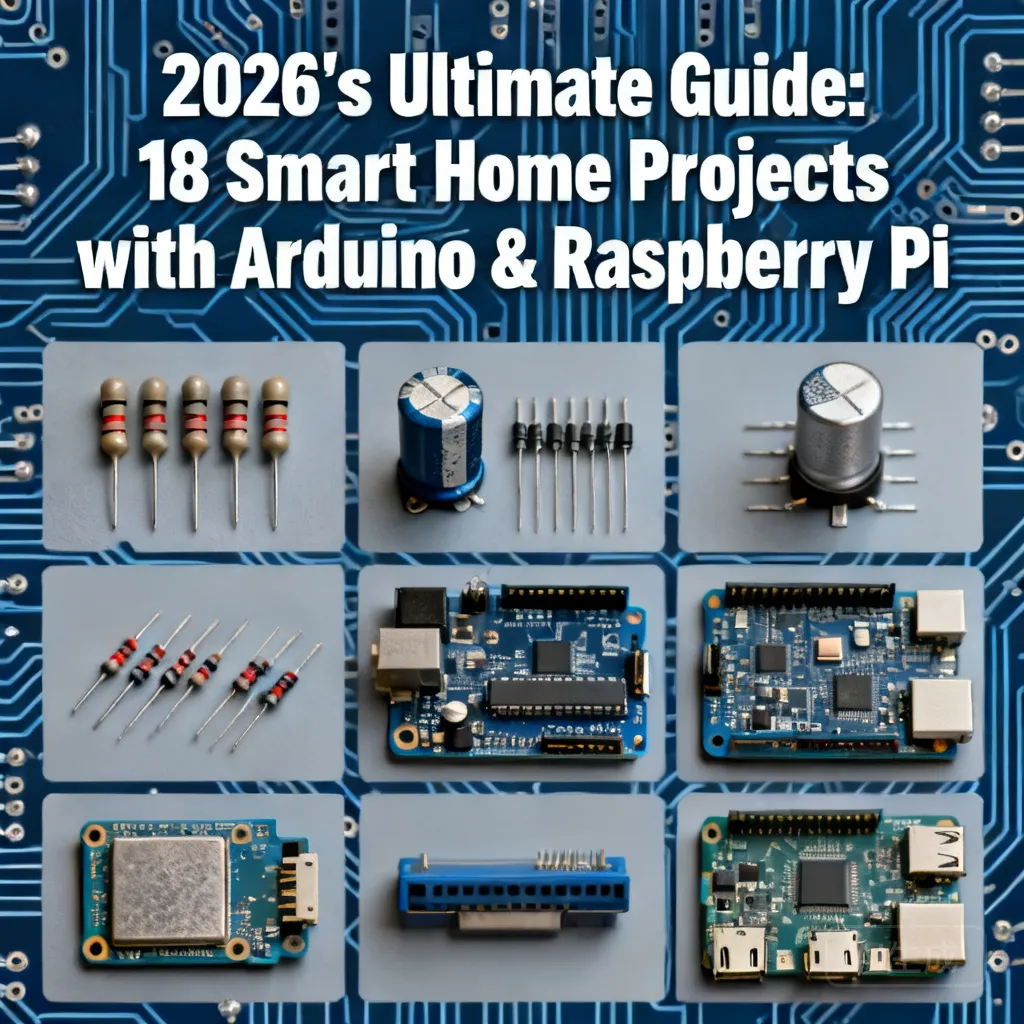
Popular development boards like Arduino, Raspberry Pi, and ESP32 provide hands-on experience and are beginner-friendly. In 2026, these platforms continue to evolve, offering more processing power and integrated connectivity options.
Integrated Development Environments (IDEs)
For coding, IDEs like PlatformIO, Arduino IDE, and VS Code with embedded extensions remain popular. They simplify the coding process with features like syntax highlighting and debugging tools.
Simulation Tools
Simulation software such as Proteus and MATLAB/Simulink allow developers to test their code in virtual environments before deploying it to actual hardware.
Practical Insights for Beginners
Getting Started with Embedded Systems Programming
To embark on your embedded systems programming journey, follow these steps:
- Learn the Basics of Programming: Familiarize yourself with programming concepts through languages like C or Python.
- Choose Your Development Board: Select a board like Arduino or Raspberry Pi that suits your project needs.
- Engage with the Community: Join forums, attend workshops, and participate in online courses to build your network and gain insights from experienced developers.
Building Your First Project
Start simple. A basic LED blinking project on an Arduino can introduce you to concepts like digital output and timing functions. Gradually move to more complex projects, incorporating sensors and communication protocols.
The Future of Embedded Systems Programming
Emerging Technologies
Looking ahead, several technologies are expected to shape the future of embedded systems:
- 5G Connectivity: The rise of 5G will enable faster communication for IoT devices, enhancing functionality and responsiveness.
- AI and Machine Learning: Embedded systems will increasingly leverage AI for smarter applications in fields such as healthcare and autonomous vehicles.
- Blockchain: Blockchain technology offers potential in securing IoT networks and ensuring data integrity.
Job Market and Opportunities
The demand for embedded systems programmers will continue to grow, particularly in sectors like automotive, telecommunications, and consumer electronics. Skills in AI, cybersecurity, and IoT will be highly sought after, creating numerous career opportunities.
Conclusion
Embedded systems programming is an exciting and rapidly evolving field that offers numerous opportunities for innovation and career advancement. By understanding the current trends, mastering essential programming languages, and leveraging the right tools, beginners can successfully navigate the landscape of embedded systems in 2026. As technology continues to advance, staying curious and adaptable will be crucial to thriving in this dynamic environment.
For reliable electronic components and expert sourcing support, visit NovaElec for comprehensive solutions.