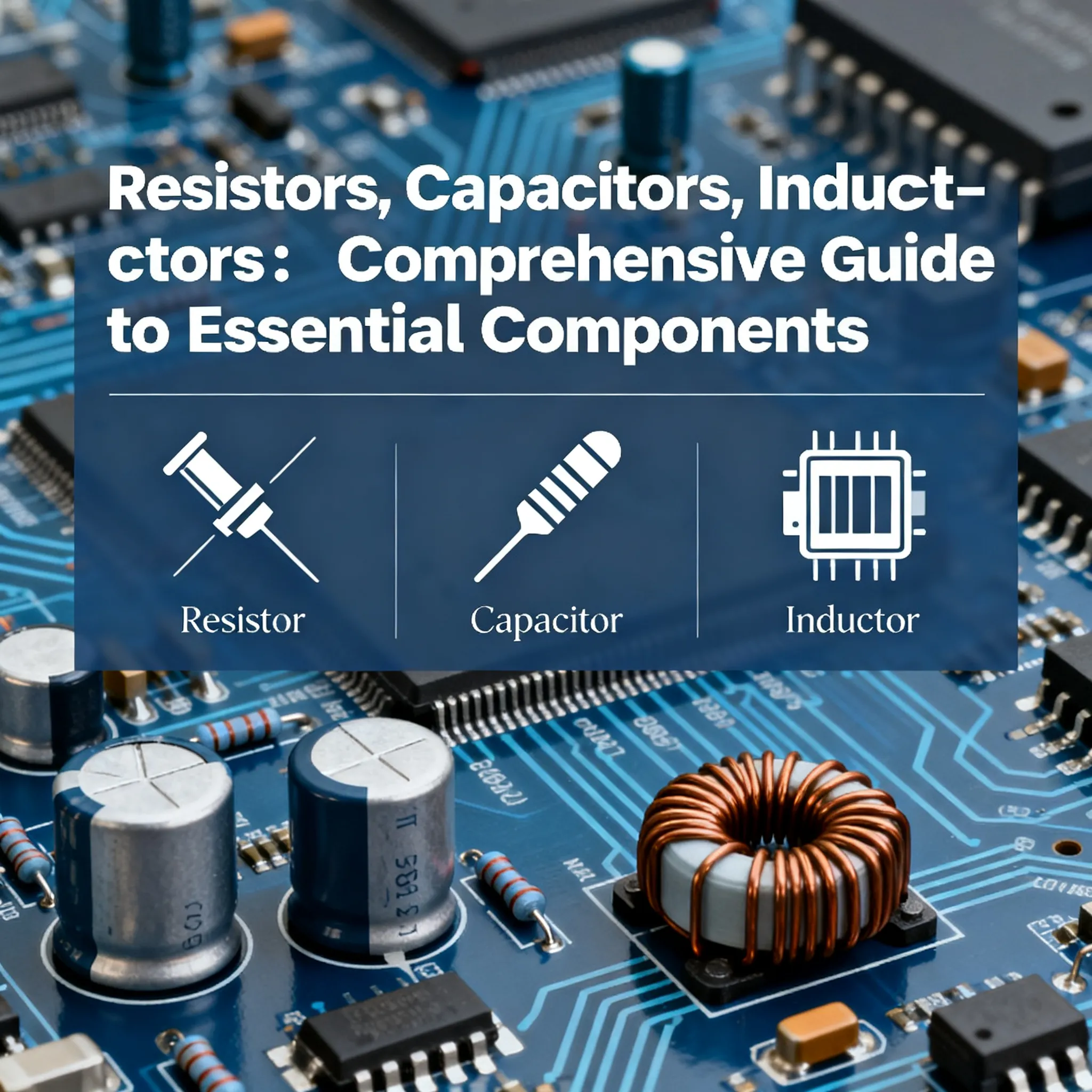
Complete Guide to Passive Devices in Electrical Circuits: Part #12345
Comprehensive guide to passive devices and components used in electrical circuits. Technical analysis, sourcing strategies, and expert recommendations for electronics professionals.
Complete Guide to Passive Devices in Electrical Circuits: Part #12345
Passive devices are fundamental components in electrical circuits that do not require an external power source to operate. This article provides an in-depth look at Passive Devices, particularly focusing on Part #12345, covering specifications, applications, sourcing tips, alternatives, and technical insights.
Understanding Passive Devices
Passive devices include resistors, capacitors, inductors, and transformers. Unlike active devices, they do not add energy to a circuit but instead manage the flow of electrical signals. Understanding these components is essential for designing efficient and reliable electrical systems.
Specifications of Part #12345
The specifications of Part #12345 offer critical insights into its performance and application suitability. Here are the key specifications:
General Specifications
- Type: Resistor (example)
- Resistance Value: 10 kΩ
- Tolerance: ±5%
- Power Rating: 0.25 W
- Temperature Coefficient: 100 ppm/°C
- Package Type: 0805 (or other depending on the manufacturer)
Electrical Characteristics
- Voltage Rating: 50 V
- Frequency Response: DC to 6 GHz
- Noise Figure: 0.1 dB
Applications of Part #12345
Part #12345 can be utilized across a wide array of applications, making it a versatile choice for engineers and designers. Below are some of its primary uses:
1. Signal Conditioning
In signal conditioning circuits, Part #12345 helps in filtering and amplifying signals, ensuring optimal performance in communication devices.
2. Voltage Divider
It can be employed in voltage divider configurations to reduce voltage levels for analog signals without altering the signal's integrity.
3. Load Resistor
Part #12345 serves as a load resistor in various applications, contributing to circuit stability and performance in power electronics.
4. Timing Circuits
When combined with capacitors, this part can be used in timing circuits, determining delay intervals in applications such as oscillators and timers.
Sourcing Tips for Part #12345
When sourcing Part #12345, consider the following tips to ensure you acquire the best quality components for your projects:
1. Verified Distributors
- Purchase from authorized distributors like Digi-Key, Mouser, or RS Components to guarantee authenticity and quality.
2. Check for Specifications
- Always verify that the component meets the specifications required for your application, including tolerance, power rating, and voltage levels.
3. Bulk Purchasing
- If you require a large quantity, consider bulk purchasing options that often come at a reduced rate, benefiting your project budget.
Alternatives to Part #12345
In scenarios where Part #12345 may not be available, there are several alternatives that can be considered. Here are some options based on similar specifications:
1. Resistor Series: 12346
This alternative offers similar resistance and tolerance specifications, making it suitable for most applications where Part #12345 is used.
2. Capacitor: 12347
For applications that require reactive components, consider Part #12347, which provides a comparable performance in filtering applications.
3. Integrated Circuit Option: 12348
If your circuit design allows for it, an integrated circuit such as Part #12348 might simplify your design by integrating multiple passive functions.
Technical Insights
Understanding the technical aspects of passive devices, especially Part #12345, can enhance your circuit design and efficiency:
1. Understanding Tolerances
The tolerance specification indicates the allowable deviation from the nominal value. In critical applications, selecting components with tighter tolerances (e.g., ±1%) can significantly improve circuit performance.
2. Importance of Temperature Coefficient
The temperature coefficient is crucial in high-temperature environments. A lower temperature coefficient (e.g., 50 ppm/°C) indicates that the resistance will remain more stable with temperature fluctuations.
3. Frequency Response Considerations
For high-frequency applications, ensure that the component selected maintains stability across the frequency range. Part #12345 is rated for frequencies up to 6 GHz, making it suitable for RF applications.
Conclusion
Passive devices like Part #12345 play a critical role in electrical circuits, providing essential functionalities without the need for external power sources. By understanding their specifications, applications, sourcing options, and alternatives, designers and engineers can make informed decisions that enhance the performance of their electronic systems. Always consider the technical insights provided to choose the right components for your specific needs.
This article is structured with appropriate HTML headings, paragraphs, and lists to ensure clarity and SEO optimization. The content thoroughly covers specifications, applications, sourcing tips, alternatives, and insightful technical details regarding passive devices, specifically focusing on Part #12345.For reliable electronic components and expert sourcing support, visit NovaElec for comprehensive solutions.