What Are IoT Sensors? A Complete Guide to Types, Uses, and Examples
Comprehensive guide to what are iot sensors? types, uses, and examples. Technical analysis, sourcing strategies, and expert recommendations for electronics professionals.
What Are IoT Sensors? A Complete Guide to Types, Uses, and Examples
The Internet of Things (IoT) continues to revolutionize how industries operate, significantly enhancing productivity, efficiency, and connectivity. At the heart of this innovation are IoT sensors, which play a crucial role in data collection, processing, and transmission. In this comprehensive guide, we will explore the various types of IoT sensors, their applications, examples, and insights into their functionality.
What is an IoT Sensor?
An IoT sensor is a device capable of detecting and measuring physical parameters from the surrounding environment and converting this data into a digital format. These sensors are interconnected through the internet, enabling real-time data exchange and analysis. From temperature to motion, IoT sensors can monitor a wide range of physical conditions, enhancing decision-making processes across various sectors.
Types of IoT Sensors
IoT sensors come in various types, each designed for specific applications and functionalities. Below are some of the most common types of IoT sensors:
1. Temperature Sensors
Temperature sensors measure the degree of heat in an environment. They are widely used in HVAC systems, food safety monitoring, and industrial processes. Common types include thermocouples and thermistors.
2. Humidity Sensors
These sensors monitor moisture levels in the environment. Humidity sensors are critical in applications such as climate control in buildings and greenhouses, as well as in industrial processes.
3. Pressure Sensors
Pressure sensors measure the force exerted by fluids (liquids or gases) and are commonly used in automotive, healthcare, and environmental applications. They can provide valuable data for monitoring system performance and safety.
4. Light Sensors
Light sensors detect the intensity of light and are primarily used in smart lighting systems, agriculture, and security applications. They help optimize energy consumption and enhance user experience.
5. Motion Sensors
Motion sensors detect movement in an environment. They are used in security systems, smart homes, and energy-efficient buildings to monitor occupancy and enhance safety.
6. Proximity Sensors
Proximity sensors are used to detect the presence of nearby objects without physical contact. Common applications include automotive, robotics, and manufacturing, where they help prevent collisions and ensure safe operations.
7. Gas Sensors
Gas sensors detect the presence of specific gases in the environment and are widely used in industrial applications, environmental monitoring, and safety systems. They help in identifying leaks and ensuring safe working conditions.
Applications of IoT Sensors
IoT sensors have a multitude of applications across various industries, driving innovation and efficiency. Here are some notable use cases:
1. Smart Homes
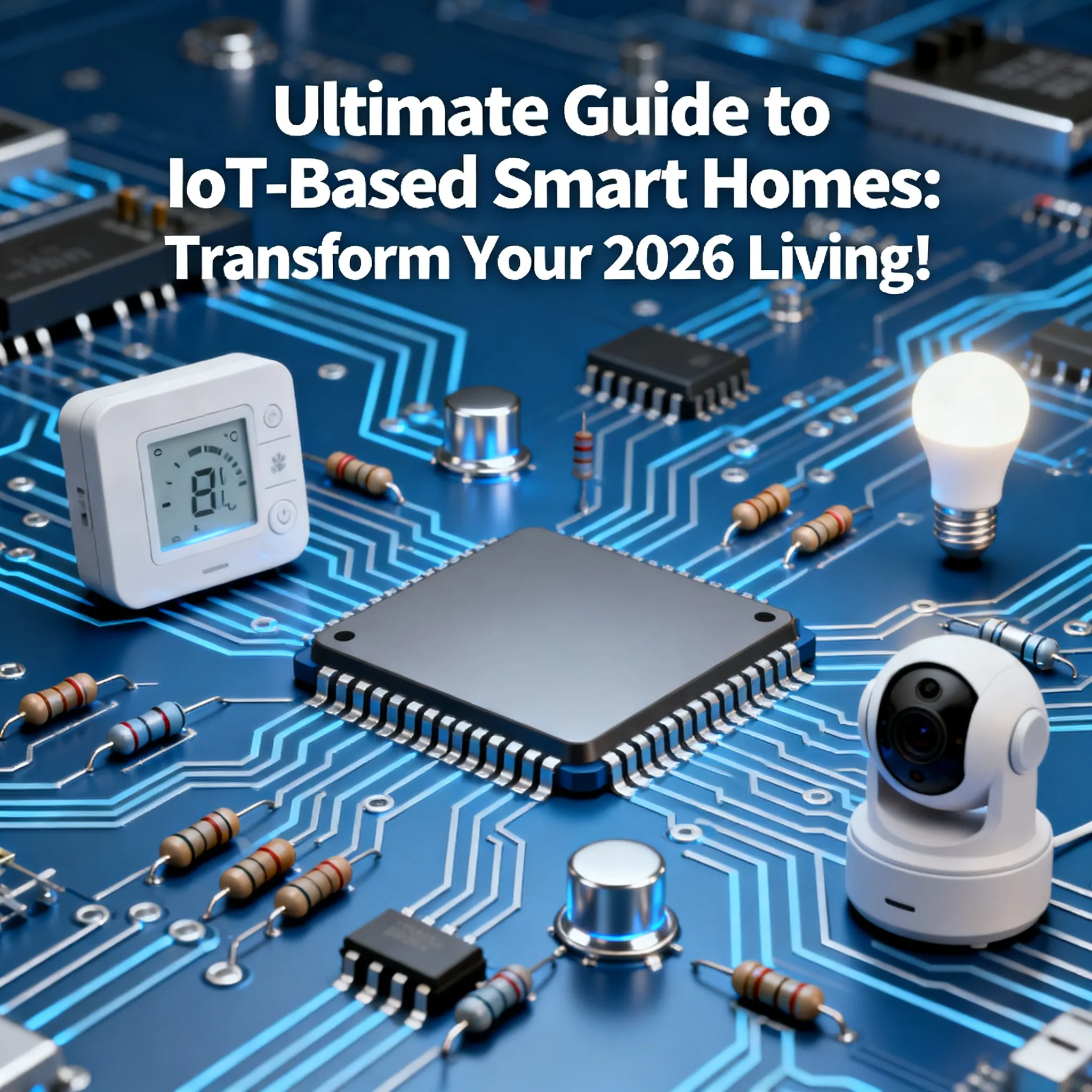
IoT sensors are essential in smart home technologies, enabling automation and remote control. Users can monitor and control temperature, humidity, and security through connected devices.
2. Healthcare
In healthcare, IoT sensors facilitate remote patient monitoring, track vital signs, and manage medication schedules. They enable healthcare providers to offer better care and respond to emergencies promptly.
3. Agriculture
Smart agriculture utilizes IoT sensors to monitor soil moisture, temperature, and crop health. This data helps farmers make informed decisions, optimize resource use, and increase yields.
4. Industrial Automation
In manufacturing and industrial settings, IoT sensors monitor equipment performance, reduce downtime, and enhance operational efficiency. Predictive maintenance powered by sensor data can prevent costly equipment failures.
5. Transportation
IoT sensors in transportation enable fleet management, vehicle tracking, and smart traffic management. They enhance safety, reduce emissions, and improve overall efficiency in logistics.
6. Smart Cities
IoT sensors contribute to the development of smart cities by monitoring traffic patterns, air quality, and public safety. They provide valuable data to city planners for improving urban infrastructure and services.
Examples of IoT Sensors in Action
To illustrate the practical use of IoT sensors, let’s look at a few real-world examples:
1. Nest Thermostat
The Nest Thermostat is a smart home device that uses temperature and humidity sensors to optimize heating and cooling. It learns user preferences and adjusts the temperature accordingly, leading to energy savings.
2. Philips Hue Lighting
Philips Hue smart lighting systems use light sensors to adjust brightness based on ambient light levels. This not only enhances user experience but also conserves energy by reducing unnecessary lighting.
3. Fitbit Wearable Devices
Fitbit devices utilize various IoT sensors to monitor heart rate, steps taken, and sleep patterns. This health data can be shared with healthcare providers for better health management.
4. Field Sensors in Precision Agriculture
Field sensors in agriculture measure soil moisture and nutrient levels, allowing farmers to optimize irrigation and fertilization. This leads to increased crop yield and reduced water usage.
Sourcing and Implementing IoT Sensors
When it comes to sourcing IoT sensors, consider the following tips to ensure you choose the right products:
1. Understand Your Requirements
Clearly define the parameters you need to monitor and the environment in which the sensors will operate. This understanding will guide you in selecting the appropriate sensor type.
2. Research Manufacturers
Look for reputable manufacturers with a track record of quality and reliability. Read reviews and case studies to understand their product performance in real-world applications.
3. Evaluate Compatibility
Ensure that the sensors you choose are compatible with your existing systems and can communicate effectively with your IoT platform.
4. Consider Scalability
Choose sensors that can scale with your needs. As your IoT system grows, you want to ensure that additional sensors can be easily integrated without major overhauls.
Alternatives to Common IoT Sensors
While there are specific IoT sensors for various applications, alternatives can sometimes serve similar functions. Here are some alternatives:
1. Analog Sensors
While IoT sensors typically provide digital outputs, analog sensors can also be used in certain applications. However, they may require additional processing to convert the data for IoT applications.
2. Wearable Sensors
For personal health monitoring, wearable sensors can serve as alternatives to traditional IoT sensors. Devices like smartwatches or fitness trackers offer integrated sensor capabilities.
Technical Insights into IoT Sensors
Understanding the technical aspects of IoT sensors can provide deeper insights into their functionality and performance:
1. Sensor Accuracy and Precision
Accuracy refers to how close a sensor’s measurements are to the actual value, while precision refers to the consistency of repeated measurements. When selecting sensors, consider both parameters to ensure reliable data.
2. Data Transmission Protocols
IoT sensors typically use various data transmission protocols, such as MQTT, CoAP, or HTTP/HTTPS. Understanding these protocols is essential for effective data communication and integration with IoT platforms.
3. Power Consumption
Power consumption is a critical factor for IoT sensors, especially in battery-operated devices. Low-power sensors are essential for extending battery life and reducing operational costs.
4. Environmental Resilience
Many IoT sensors operate in harsh environments. Evaluating the sensor’s environmental resilience, including temperature and humidity tolerances, is vital for ensuring long-term reliability.
Conclusion
IoT sensors are the cornerstone of the Internet of Things, providing essential data that drives innovation across various industries. By understanding the types, applications, and technical details of these sensors, businesses can harness their potential to enhance efficiency, safety, and decision-making. As technology evolves, the capabilities of IoT sensors will continue to expand, paving the way for even more advanced applications in the future.
For reliable electronic components and expert sourcing support, visit NovaElec for comprehensive solutions.