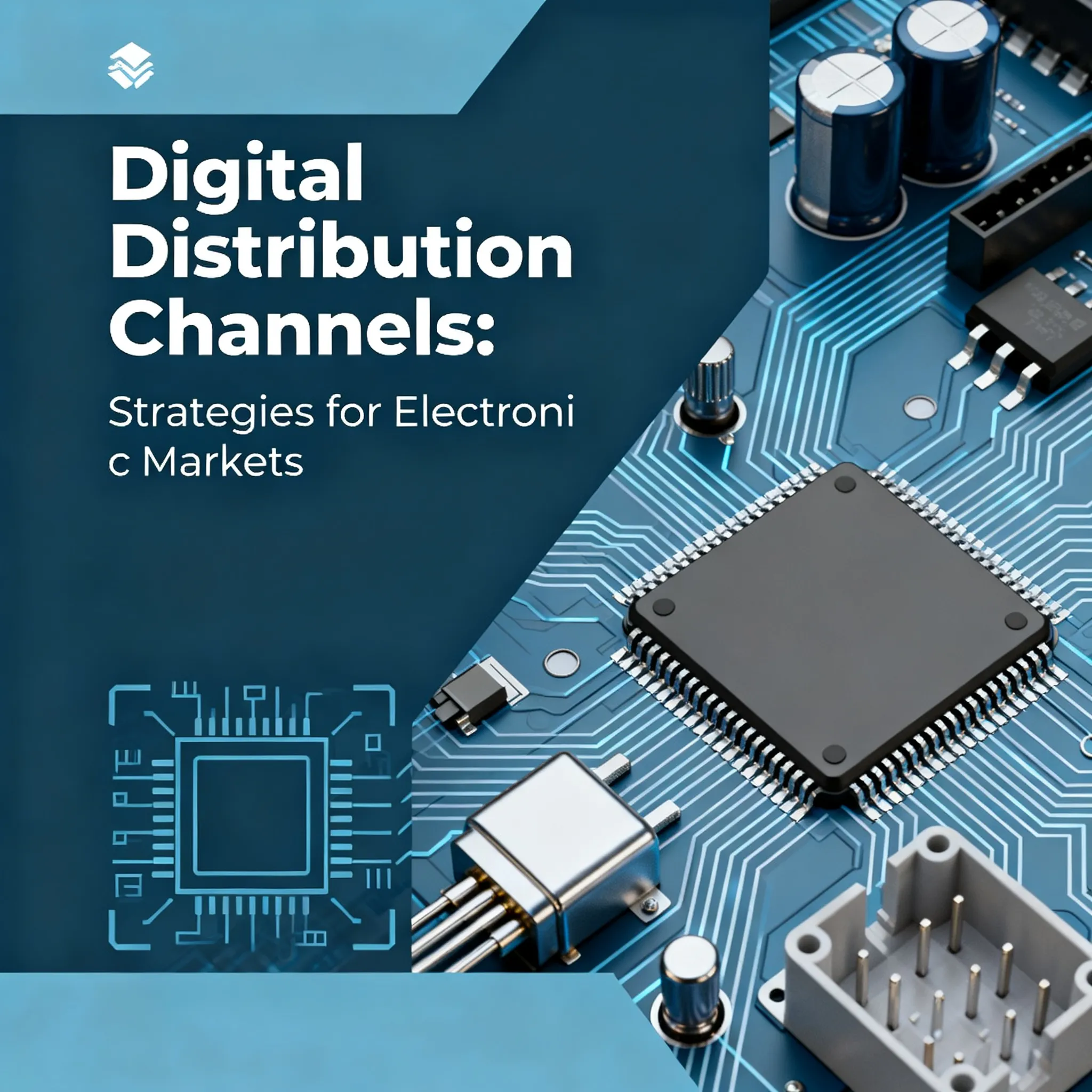
Semiconductors 2023: Key Trends and Strategies for Industry Success
Comprehensive guide to semiconductors. Technical analysis, sourcing strategies, and expert recommendations for electronics professionals.
Semiconductors 2023: Key Trends and Strategies for Industry Success
The semiconductor industry is at a pivotal moment in 2023, shaped by rapid technological advancements, evolving market demands, and geopolitical dynamics. As the backbone of modern electronics, semiconductors power everything from smartphones to automotive applications. This article delves into the critical trends shaping the sector, the challenges faced, and strategic recommendations for companies aiming to thrive in this complex landscape.
Market Trends Shaping the Semiconductor Industry
1. Increased Demand for Advanced Chips
As of 2023, the global semiconductor market is projected to reach approximately $600 billion, driven largely by the demand for advanced chips. The proliferation of technologies such as Artificial Intelligence (AI), Internet of Things (IoT), and 5G connectivity has led to a surge in requirements for high-performance chips. According to the Semiconductor Industry Association (SIA), the demand for logic chips and memory devices is expected to rise by over 20% in the next two years.
2. Supply Chain Resilience and Diversification
The COVID-19 pandemic exposed vulnerabilities in the semiconductor supply chain, prompting companies to re-evaluate their procurement strategies. In 2023, firms are focusing on building supply chain resilience through diversification. This includes sourcing materials from multiple suppliers and investing in local manufacturing capabilities to mitigate risks associated with geopolitical tensions and market fluctuations.
3. Geopolitical Factors and Trade Policies
Geopolitical tensions, particularly between the United States and China, have significantly influenced the semiconductor landscape. The U.S. government has implemented policies aimed at restricting technology transfer, impacting companies that rely on Chinese manufacturers. Companies must navigate these complexities while exploring opportunities in regions less affected by trade disputes.
4. Sustainable Practices and Environmental Regulations
Sustainability is becoming a critical focus in semiconductor manufacturing. In 2023, semiconductor companies are increasingly pressured to adopt eco-friendly practices due to stringent environmental regulations. A report from the World Economic Forum indicates that firms embracing sustainable manufacturing can realize cost savings of up to 30% while enhancing their brand reputation.
Challenges Facing the Semiconductor Industry
1. Talent Shortage
The semiconductor industry is grappling with a talent shortage, particularly in engineering and design. According to a report by the National Semiconductor Workforce Development, there is a projected shortfall of 300,000 skilled workers by 2025. Companies need to invest in training programs and partnerships with educational institutions to bridge this gap.
2. Rising Raw Material Costs
Fluctuating prices of raw materials such as silicon and rare earth elements pose a significant challenge to semiconductor manufacturers. The ongoing global supply chain disruptions have led to increased costs, which may impact pricing structures and profit margins. Businesses must implement cost-control measures and explore alternative materials to mitigate these effects.
3. Competition and Market Saturation
The semiconductor market is becoming increasingly competitive, with numerous players entering the space. As companies strive for differentiation, the saturation of certain markets, especially in consumer electronics, poses a challenge. Companies must focus on innovation and developing unique value propositions to remain competitive.
Strategic Opportunities for Success
1. Investing in R&D and Innovation
To stay ahead in the rapidly evolving semiconductor landscape, companies must prioritize research and development (R&D). Investing in innovative technologies such as quantum computing and advanced chip architectures can lead to significant competitive advantages. For instance, companies like Nvidia and Intel are leading the way in AI-driven chip design, setting the pace for the industry.
2. Emphasizing Partnerships and Collaborations
Strategic partnerships can catalyze growth in the semiconductor sector. Collaborations with tech firms, academic institutions, and even competitors can foster innovation and knowledge sharing. For instance, the collaboration between AMD and Microsoft on chip optimization for cloud services has yielded substantial benefits for both companies.
3. Expanding into Emerging Markets
Emerging markets, particularly in Southeast Asia and Africa, present substantial growth opportunities for semiconductor companies. As these regions experience rapid digital transformation and increased technology adoption, companies can capitalize on the burgeoning demand for semiconductors by establishing local partnerships and production facilities.
4. Strengthening Supply Chain Capabilities
Building a robust supply chain is critical for mitigating risks associated with sourcing and production. Companies must invest in supply chain analytics and digital tools to enhance visibility and responsiveness. Additionally, leveraging local suppliers and vertical integration can help reduce dependency on global supply chains.
Actionable Recommendations
1. Develop a Comprehensive Workforce Strategy
Organizations should create a workforce strategy that includes upskilling current employees, engaging in internships, and collaborating with universities to develop a sustainable talent pipeline. This approach will help address the skills deficit in the semiconductor sector and ensure a well-equipped workforce for the future.
2. Implement Sustainable Practices
Companies should evaluate their operational processes to incorporate sustainability at every level. From energy-efficient manufacturing techniques to waste reduction strategies, implementing sustainable practices can enhance profitability and comply with regulations. Companies like TSMC have set benchmarks in sustainable semiconductor manufacturing, serving as examples for others.
3. Leverage Data Analytics for Informed Decision-Making
Utilizing data analytics can provide insights into market trends, customer preferences, and operational efficiencies. Investing in data-driven technologies will enable companies to make informed decisions, streamline processes, and enhance customer satisfaction.
4. Foster a Culture of Innovation
Encouraging a culture that values innovation and creativity can lead to breakthrough ideas and solutions. Companies should create platforms for employees to share ideas, explore new technologies, and collaborate on innovative projects. This approach can enhance product differentiation and drive growth.
Conclusion
In conclusion, 2023 presents both challenges and opportunities for the semiconductor industry. By understanding the key market trends, addressing the challenges, and leveraging strategic opportunities, companies can position themselves for success in an increasingly complex landscape. Embracing innovation, sustainability, and strategic partnerships will be pivotal in navigating the future of the semiconductor market. As the demand for semiconductors continues to rise, the focus on adaptability and resilience will determine which companies thrive in the years to come.
For reliable electronic components and expert sourcing support, visit NovaElec for comprehensive solutions.